Support for Healthcare Operations
Systems & User Support
Support for workstations, printers, scanners, phones, Microsoft 365, user accounts, vendor systems, and the day-to-day technology staff rely on.
Security & Continuity
MFA, endpoint protection, email security, backups, patching, access controls, monitoring, and practical safeguards for sensitive healthcare environments.
Software & Reporting
Custom applications, patient-related workflows, reporting tools, data exchange, claims-related processes, portals, and integrations built around real operational needs.
Related Technology Insights
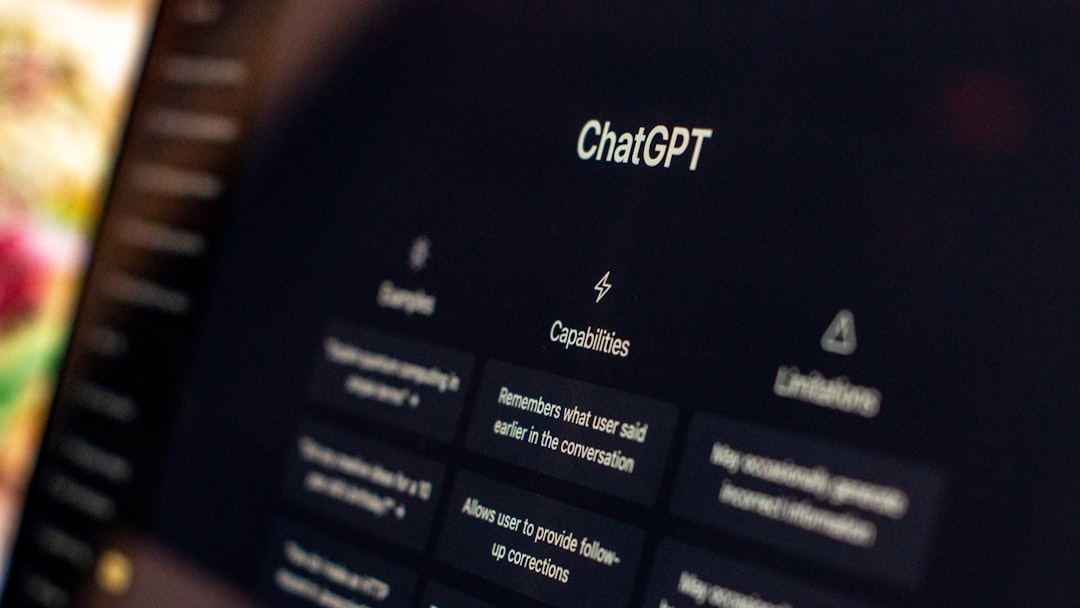
How AI Can Improve Business Reporting and Decision-Making
Most business owners do not need more reports just for the sake of having more…

Why Small Businesses Need Technology Leadership, Not Just IT Support
Many small and mid-sized businesses only think about IT when something breaks. A computer will…

What Full-Service IT Support Should Actually Mean for a Small Business
For many small and mid-sized businesses, technology is involved in almost every part of the…
Healthcare organizations often need support for workstations, printers, scanners, phones, Microsoft 365, email, user accounts, patient-related systems, billing workflows, vendor systems, backups, cybersecurity, reporting, and day-to-day user support.
Yes. Streamline has developed cloud-based healthcare software that supports patient scheduling, encounters, patient portals, provider portals, insurance eligibility, billing workflows, billing rule templates, CPT and diagnosis code support, payment-related workflows, reporting, and 835 remittance file processing.
Our experience also includes lab-related workflows such as orders, specimens, accessioning, lab results, result reporting, HL7-related data exchange, provider communication, patient access, and operational reporting. That background gives us a strong understanding of how labs, practices, providers, patients, billing data, clinical information, and insurance-related workflows fit together.
Yes. Streamline helps with practical safeguards such as multi-factor authentication, endpoint protection, email security, patching, backups, access controls, password policies, monitoring, and user awareness training. We help healthcare-related organizations reduce risk and protect the systems and information they depend on.
Yes. Healthcare organizations need to think carefully about access, email security, backups, user accounts, devices, file storage, vendor systems, and sensitive information. Streamline can help support the technical safeguards and practical IT processes that contribute to a stronger healthcare technology environment. We do not provide legal compliance certification, but we help clients make better technology decisions around privacy, security, and risk.
Yes. Many healthcare organizations depend on specialized software vendors. Streamline can help coordinate with those vendors, troubleshoot local technology issues, support users, manage related network or workstation needs, and help the organization understand where vendor systems fit into the broader IT environment.
Yes. Streamline has experience building and supporting custom software, reporting tools, portals, data exchange processes, claims-related workflows, and patient-related operational systems. These tools can help healthcare organizations improve visibility, reduce manual work, and support workflows that standard software may not handle well.
Yes. Depending on the need, Streamline can help with client portals, online payments, online forms, secure access, reporting, integrations, and other tools that help patients, staff, or providers interact with information more efficiently.