Practical Tools for Real Business Problems
Custom Applications
Business applications built around specific workflows, departments, users, and operational needs.
Databases & Tools
Structured tools that help organize information, replace fragile spreadsheet processes, and support the way your team actually works.
Reports & Integrations
Reports, dashboards, scheduled tasks, and connections between systems that reduce manual work and improve visibility.

Related Technology Insights

Why Small Businesses Need Technology Leadership, Not Just IT Support
Many small and mid-sized businesses only think about IT when something breaks. A computer will…
When Off-the-Shelf Software Is Not Enough
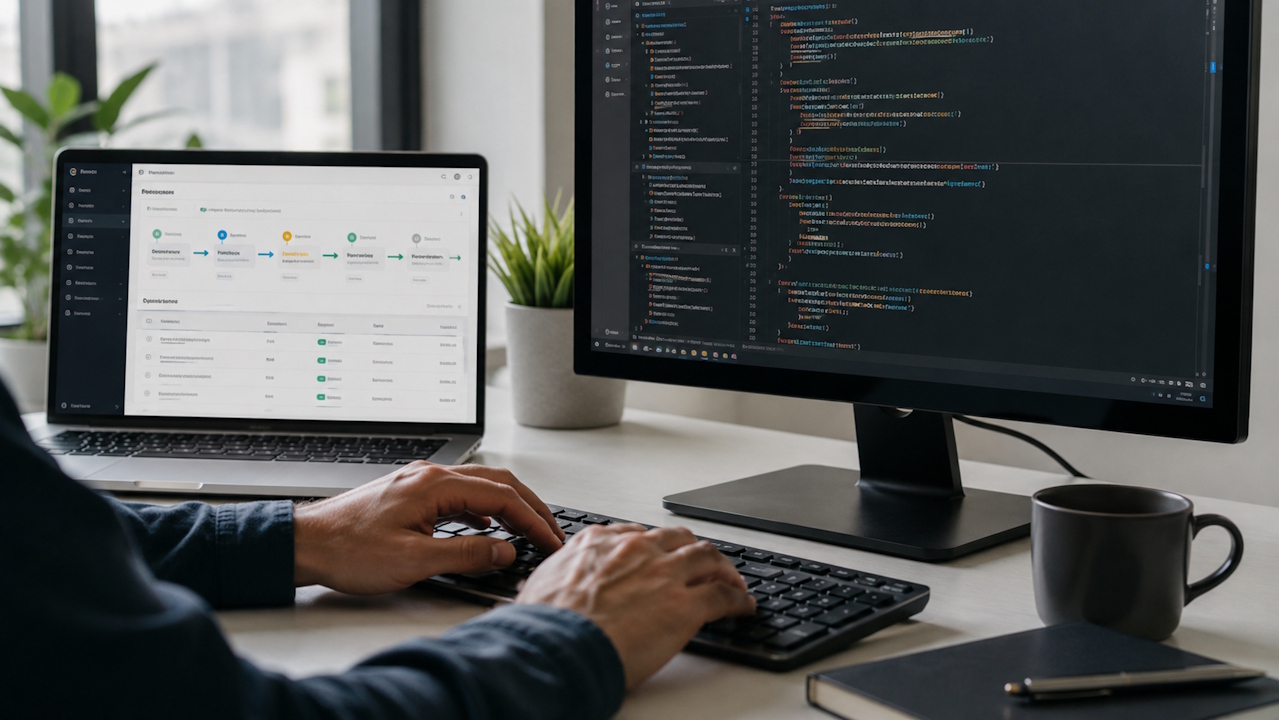
Off-the-shelf software is often the right choice for a business. It can be affordable, proven,…
The Hidden Cost of Spreadsheet-Based Workflows
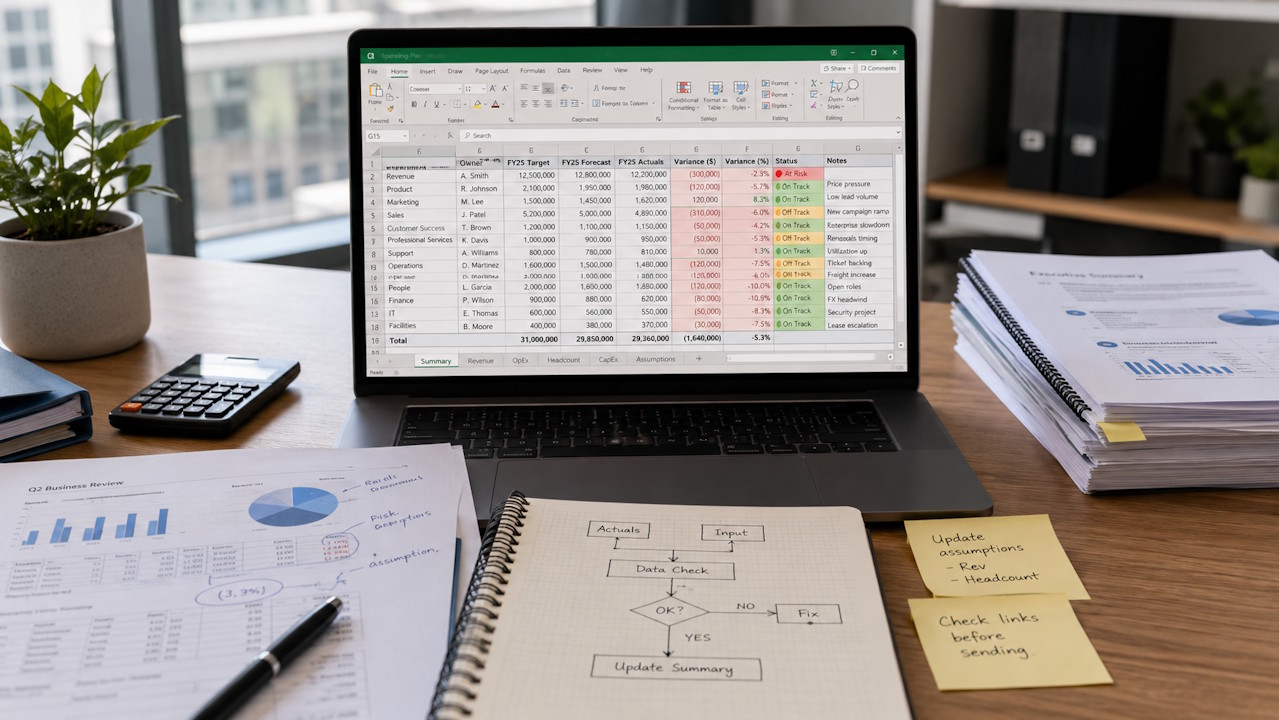
Spreadsheets are useful. They are flexible, familiar, and available to almost every business. For quick…
The main difference between standard and custom software lies in whether the business must adapt to the technology or the technology is built to fit the business. Standard, off-the-shelf software is pre-built for the general market, meaning companies must modify their existing processes to match the application’s limitations. In contrast, custom software is designed specifically around a company’s unique workflows, legacy integrations, and reporting needs, making it valuable when standard options cannot adequately support specialized operational problems.
Custom software makes sense when a critical business process is repeated frequently but lacks adequate support from standard applications. Common warning signs include a heavy reliance on manual spreadsheets, duplicate data entry, scattered information, email-based approval chains, or workflows that depend heavily on one person remembering the next step.
Yes. Many businesses have important data stored in older legacy applications, databases, spreadsheets, or outdated systems that are difficult to replace. Streamline can help extract, clean, convert, report on, and preserve historical data so the business does not lose access to information it still depends on.
In some cases, custom software is the best way to retain important functionality, preserve archived records, and build a modern system around the way the business actually works.
No. Custom software is powerful when the business has unique workflows, important historical data, legacy systems, or requirements that standard software cannot handle well. We help evaluate whether a custom application, existing platform, report, database, integration, or workflow improvement is the most practical path forward.
Streamline builds custom web applications, mobile apps, internal business tools, databases, reporting systems, dashboards, workflow applications, import/export utilities, scheduled processes, and system integrations. Most of our work focuses on practical business applications that support daily operations.
Streamline has built and supported custom systems for healthcare operations, account management, utility billing, resource administration, document management, and other critical business applications. These systems support real daily operations such as records management, billing workflows, reporting, asset tracking, certifications, project resources, and other business-specific needs.
We have also worked on related integration and modernization projects involving user portals, healthcare data exchange, claims-related workflows, online payment integrations, legacy application data extraction, ERP data migration, reporting tools, and business systems built around specialized operational needs.
Yes. Many businesses outgrow spreadsheet-based processes over time. When a spreadsheet becomes too important, too fragile, or too difficult to manage, a database or workflow tool can provide better structure, security, reporting, and long-term reliability.
Yes. Ongoing support is one of the most important parts of custom software. Business needs change, users discover improvements, reports evolve, and systems need maintenance. We build custom tools with the expectation that they should continue to be supported and improved over time.
Yes, primarily for established clients where the website is part of a broader technology relationship. Our strength is understanding the client’s business, systems, data, customers, and differentiators, then helping create a practical website that supports the company’s goals.